
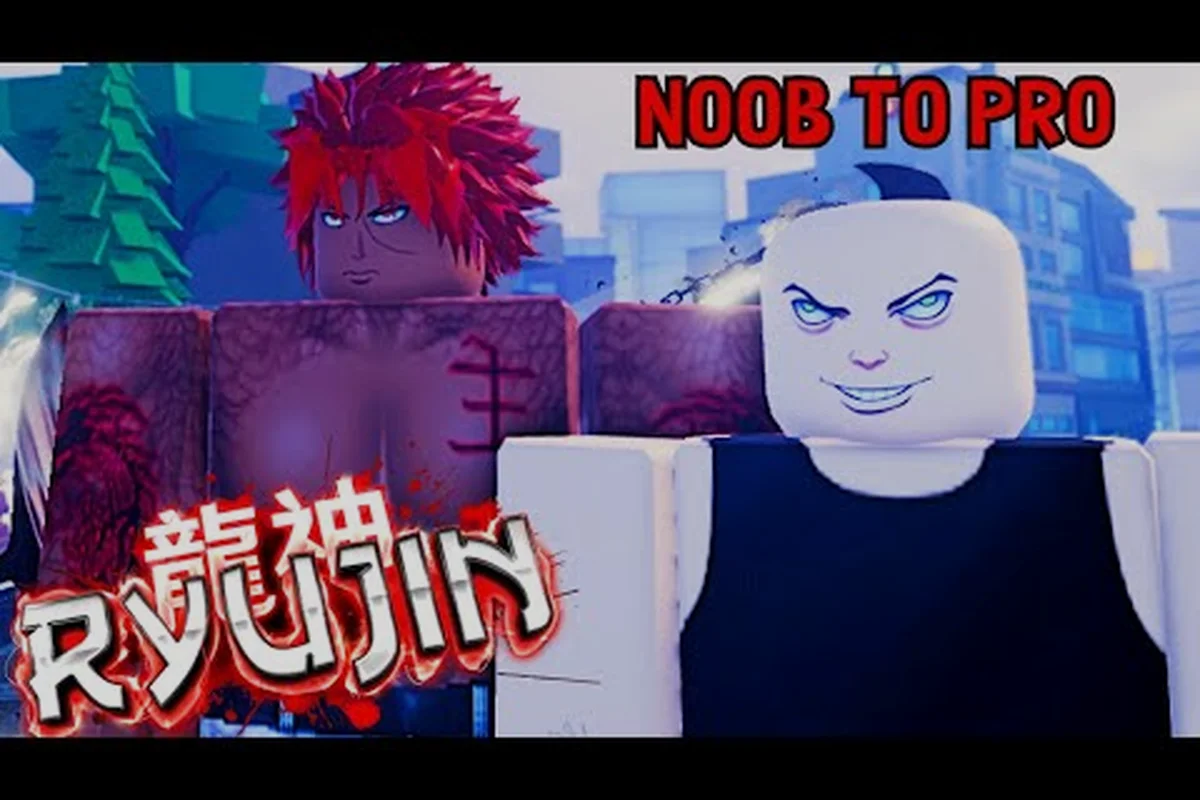
Ryujin everything you need to know starts with one hard truth: this Roblox fighting game punishes players who jump in without a plan. The game, developed by TwisterDaark under the Martial Ascension group, is built around PvP combat where every stat point and every skill choice shapes your survival odds. Because the game locks access behind a Generation gamepass purchase and official server verification, new players often waste their first sessions learning lessons the hard way. This guide compiles the essential mechanics, survival rules, and combat fundamentals so you can skip the costly trial-and-error phase and start competing with confidence from your very first fight.
The core loop is deceptively simple: train stats, pick fighting styles, and battle other players. But the depth comes from understanding how combat tags, stat allocation, and clan systems interact. Whether you are grinding solo or planning to join a competitive clan, the fundamentals covered here apply to every playstyle. Let's break down what actually matters.
Ryujin combat basics every new player must master
The combat system in Ryujin rewards deliberate timing over button mashing, and understanding the basic flow of a fight determines whether you survive your first encounter or get sent back to the training area. Every exchange starts with positioning, because the game's movement system allows for dashes and directional attacks that punish players who stand still. According to the official Ryujin Roblox page, the game features multiple fighting styles that players can combine with chosen skills to create unique builds, which means your combat approach should reflect your stat distribution rather than following a one-size-fits-all template.
When you enter a fight, the first thing to track is your opponent's stamina bar. Most new players exhaust their stamina within the first three attacks, leaving themselves completely vulnerable to a counter-combo. The rhythm of Ryujin combat revolves around baiting attacks, punishing whiffs, and managing your own stamina so you always have enough for an escape dash. Players who master this economy can defeat opponents with higher stats, because they force mistakes rather than relying on raw numbers.
The Combat Tag system is the single most important mechanic to understand before you engage anyone. When another player attacks you, the tag activates and your health regeneration stops completely. This means prolonged fights are wars of attrition where healing items and temporary buffs become critical. Community reports indicate that being gripped while tagged causes you to lose all purchased tools, which is a devastating penalty that can wipe out hours of progress. Because of this, you should never enter a fight without a clear escape plan or enough healing resources to outlast your opponent.
Understanding attack types and block mechanics
Ryujin's combat system categorizes attacks into light, heavy, and special categories, each with distinct properties that create a rock-paper-scissors dynamic. Light attacks are fast and cheap on stamina, making them ideal for pressure and chip damage. Heavy attacks deal significantly more damage but have longer wind-up animations that skilled opponents can parry or dodge. Special attacks consume a resource meter and often carry utility effects like knockback, armor-breaking, or status ailments that can turn the tide of a fight.
Blocking reduces incoming damage but does not negate it entirely, and holding block too long drains your stamina. The optimal defensive approach combines short block windows with well-timed dashes, because a successful dodge leaves your opponent open for a punish. The table below breaks down the core combat options and their trade-offs:
| Combat Action | Stamina Cost | Damage Output | Best Use Case |
|---|---|---|---|
| Light Attack | Low | Low | Pressure, chip damage, combo starters |
| Heavy Attack | High | High | Punishing whiffs, breaking guards |
| Block | Drains over time | None | Reducing damage, baiting attacks |
| Dash | Medium | None | Repositioning, dodging, escape |
| Special Skill | Resource-based | Varies | Utility, burst damage, crowd control |
Your fighting style selection determines the animations and properties of these core actions, and the game currently offers several distinct styles that cater to different playstyles. Aggressive players might prefer a style with fast dashes and quick recovery frames, while defensive players benefit from styles with superior block stability. The key is to experiment with at least two styles early on so you understand their matchups, because a style that dominates one opponent may struggle against another with different movement patterns.
Ryujin how to survive your first week in the game
Survival in Ryujin is about more than winning fights; it is about protecting your progress and avoiding the pitfalls that wipe out new players. The game's progression system ties your stats, currency, and purchased items directly to your survival decisions, and one careless mistake can set you back significantly. The most important survival rule is understanding the combat log penalty: if you leave the game while a Combat Tag is active, you lose 33% of your current Won (the in-game currency) and all temporary items you purchased. This penalty exists to discourage rage-quitting, but it also means you must always have an exit strategy before engaging in PvP.
Your first week should focus on three priorities: learning the map layout, understanding safe zones, and building a sustainable income stream. The map contains areas with different risk levels, and knowing where other players congregate helps you avoid unnecessary fights while you are still weak. Safe zones typically have NPCs or guards that prevent PvP, making them ideal for training stats and organizing your inventory. According to community reports, the Honrade area serves as a central hub where players gather, and it is also where you can find Employee Jobs that provide steady income once you reach certain employee levels.
The Employee Jobs system offers a legitimate alternative to PvP grinding, with roles like Janitor becoming available at Employee Level 2. These jobs reward you with currency based on your employee level, and the rewards scale as you progress. While these jobs are not as exciting as combat, they provide a reliable income source that funds your stat training without risking your progress. The table below outlines the early survival priorities and why each matters:
| Priority | Time Investment | Risk Level | Reward |
|---|---|---|---|
| Map Familiarization | 1-2 hours | Low | Navigation efficiency, escape routes |
| Stat Training | Ongoing | Low | Combat effectiveness, survivability |
| Employee Jobs | 30-60 min daily | Low | Steady currency, no combat risk |
| PvP Sparring | 1-2 hours daily | Medium | Combat experience, skill development |
| Clan Activities | Variable | Medium-High | Group protection, shared resources |
Your stat allocation strategy directly impacts survival because it determines your effective combat power and your ability to escape dangerous situations. The game features multiple trainable stats, and spreading your points too thin makes you mediocre at everything rather than strong at anything. A focused build that prioritizes one or two stats will outperform a balanced build in most scenarios, because the game's damage formulas reward specialization. For a detailed breakdown of optimal stat distribution, check the max stats training guide which covers soft caps and efficient training methods.
Building a safe progression routine
A sustainable progression routine combines low-risk activities with controlled PvP exposure. Start each session by completing your employee job duties to secure a baseline income, then spend a portion of that income on stat training. Once your stats reach a comfortable threshold, venture into medium-risk areas to practice combat against players of similar strength. This routine ensures you always have currency reserves, even if a PvP encounter goes poorly.
The temporary item system adds another layer of risk management, because items like Phones and Remove Skill Tokens disappear if you combat log. These items provide significant utility, so losing them to a rage-quit is doubly punishing. Always keep a mental inventory of your temporary items and factor their value into your risk calculations before engaging in fights. If you are carrying high-value temporary items, consider avoiding high-traffic PvP zones until you have secured them in a safe location or used them for their intended purpose.
PvP Fundamentals for New Fighters
Winning your first PvP fights requires more than understanding the mechanics; it requires a strategic approach to engagement selection and resource management. The players who consistently win in Ryujin are not necessarily the ones with the highest stats; they are the ones who choose their fights wisely and execute their game plan under pressure. Before you engage anyone, evaluate three factors: your opponent's stats relative to yours, the terrain advantage, and your current resource state.
Terrain advantage is an underrated factor in Ryujin combat. Elevated positions give you better sightlines and make it harder for opponents to land grounded combos. Narrow corridors limit escape options but also restrict your opponent's movement, creating predictable patterns you can punish. Water or environmental hazards can force opponents into unfavorable positions, and experienced players use the map geometry to create advantageous engagements. The best mode for PvP guide covers transformation and awakening mechanics that can dramatically shift fight outcomes.
Your resource state before a fight determines your sustainability. Entering combat with low health, depleted stamina, or no healing items is a recipe for disaster, regardless of your skill level. The game's health regeneration stops when you are combat tagged, so you cannot rely on passive recovery during a fight. Healing items become your only source of recovery, and running out mid-fight usually means defeat. Always carry a reserve of healing items and know when to disengage rather than fighting to the death.
Reading opponents and punishing mistakes
The skill gap in Ryujin PvP becomes apparent when you learn to read opponent patterns. Most players develop habits within their first few fights, such as always opening with a heavy attack or dashing backward when pressured. Identifying these patterns allows you to predict their next move and punish accordingly. The key is to stay patient and observe your opponent's tendencies during the first exchange, even if that means taking some chip damage while you gather information.
Punish windows are the moments after your opponent commits to an attack that misses or gets blocked. A whiffed heavy attack leaves your opponent vulnerable for a significant window, and landing a full combo during this window can swing the fight decisively. The table below outlines common opponent mistakes and the optimal punishes:
| Opponent Mistake | Punish Strategy | Risk Level |
|---|---|---|
| Whiffed Heavy Attack | Full light combo into heavy finisher | Low |
| Exhausted Stamina | Pressure with light attacks, force block break | Low |
| Predictable Dash Pattern | Time heavy attack to intercept dash | Medium |
| Overuse of Block | Mix in throws or block-breaking specials | Medium |
| Panic Healing | Close distance, interrupt with combo | High |
Your clan choice also influences your PvP experience, because clans provide access to shared resources, training partners, and group protection. A good clan can accelerate your learning curve significantly, while a bad clan can drag you into unwinnable fights. The clan tier list 2026 ranks the current best clans for PvP and explains their requirements, helping you make an informed decision about where to invest your loyalty.
Ryujin combat guide: advanced techniques and build optimization
Once you have mastered the basics, the next step is optimizing your build and learning advanced combat techniques that separate good players from great ones. The game's skill system allows you to choose specific skills that complement your fighting style, and the right combination can create synergies that multiply your effectiveness. The Remove Skill Token item exists specifically for players who want to respec their skill choices, which indicates that build experimentation is an expected part of the progression loop.
Build optimization starts with understanding your chosen fighting style's strengths and selecting skills that amplify those strengths. If your style excels at close-range pressure, choose skills that increase combo damage or reduce stamina costs. If your style is more defensive, prioritize skills that improve block stability or provide counter-attack bonuses. The synergy between your style and skills matters more than the individual power of either, because the combination creates a cohesive game plan.
The game's Generation system adds another layer of progression, with Generation 1.5 currently available for purchase at 100 Robux for testing access. According to the Ryujin Trello FAQ, the game also opens for free testing every Saturday for 24 hours, which gives budget-conscious players a chance to experience the mechanics before committing to a purchase. This free window is an excellent opportunity to test different fighting styles and identify your preferred playstyle before investing in the full game.
Mastering the skill economy
Your skill choices represent a long-term investment, because changing them requires Remove Skill Tokens that cost currency. The game's skill tree offers multiple branches, and the optimal path depends on your intended role in PvP. Damage-focused builds prioritize offensive skills, while support builds might invest in utility skills that provide crowd control or team buffs. The table below compares common build archetypes:
| Build Archetype | Primary Stats | Key Skills | Strengths | Weaknesses |
|---|---|---|---|---|
| Glass Cannon | Damage, Speed | Burst combos, crit boost | High burst damage | Low survivability |
| Tank | Health, Defense | Damage reduction, counter | Sustained fights | Low mobility |
| Control | Speed, Utility | Stuns, slows, knockback | Dictates fight pace | Lower damage output |
| Hybrid | Balanced | Versatile toolkit | Adaptable to matchups | Jack of all trades |
The training efficiency of your stat allocation directly affects how quickly you can reach competitive levels. The game's training system has diminishing returns at higher stat levels, which means spreading your training across multiple stats can be more efficient than maxing one stat. However, the combat formula rewards specialization, creating a tension between training efficiency and combat effectiveness. The how to get money guide covers the fastest ways to fund your training, because currency generation ultimately determines your progression speed.
Advanced movement and positioning
Movement in Ryujin is a skill in itself, and players who master advanced movement techniques gain a significant advantage in combat. The dash system allows for directional movement, but chaining dashes in creative ways creates unpredictable patterns that are difficult to track. Dash-canceling is a technique where you cancel the recovery frames of an attack with a dash, allowing you to maintain pressure while staying mobile. This technique requires precise timing but rewards players who master it with superior offensive options.
Positioning extends beyond individual fights to the broader map strategy. Controlling high-traffic areas gives you first access to resources and allows you to choose your engagements rather than reacting to them. However, holding these areas also makes you a target, so you must balance the benefits of map control against the risk of attracting stronger players. Experienced players use the map's geography to create kill zones where they have the advantage, funneling opponents into unfavorable positions before striking.
Ryujin beginner guide 2026: avoiding common mistakes
Every new player makes mistakes, but the most costly ones are entirely avoidable with the right knowledge. The combat log penalty tops the list of mistakes that destroy progress, because losing 33% of your Won and all temporary items is a devastating setback. The second most common mistake is neglecting the employee job system, which provides a safe and reliable income stream that new players often overlook in favor of risky PvP grinding.
The skill token economy is another area where new players waste resources. Using Remove Skill Tokens repeatedly to experiment with different builds drains currency that could fund stat training. Instead, research your intended build before committing, and use the free Saturday testing windows to experiment with different styles without risking your main progression. The game's Trello board provides detailed information about game mechanics, and consulting it before making major decisions saves you from costly mistakes.
Inventory management is a practical skill that new players underestimate. The game's item system includes both permanent and temporary items, and losing temporary items to combat logging is a common frustration. Develop a habit of checking your inventory before engaging in PvP, and secure high-value temporary items before entering high-risk zones. The table below summarizes the most common beginner mistakes and their prevention:
| Mistake | Consequence | Prevention |
|---|---|---|
| Combat Logging | Lose 33% Won, all temp items | Always have escape plan |
| Neglecting Jobs | Slow income growth | Complete daily job duties |
| Wasting Skill Tokens | Currency drain | Research builds first |
| Overextending in PvP | Unnecessary deaths | Know your limits |
| Ignoring Map Awareness | Ambushes | Learn high-traffic zones |
The community resources available for Ryujin players are extensive, and the Ryujin Trello board serves as the definitive source for game mechanics and updates. The board includes sections for general info, game mechanics, and employee jobs, providing a comprehensive reference for players at every level. Consulting this resource before making major decisions ensures you are working with accurate information rather than outdated community speculation.
Building your long-term progression plan
Your long-term progression in Ryujin depends on setting realistic goals and building a routine that supports those goals. A player aiming for competitive PvP needs a different progression path than someone who enjoys the game casually, and understanding your goals helps you allocate resources effectively. Set weekly milestones for stat training, currency accumulation, and PvP practice, and adjust your routine based on your progress.
The clan system becomes increasingly important as you progress, because clans provide access to group activities and shared resources that accelerate growth. The beginner guide covers the fundamentals of getting started, including how to navigate the early game and establish a solid foundation. As you grow stronger, transitioning from solo play to clan activities opens new opportunities for learning and progression.
Frequently Asked Questions
What is the combat tag and why does it matter?
The Combat Tag activates when another player attacks you, stopping your health regeneration completely. While tagged, being gripped causes you to lose all purchased tools, and leaving the game counts as a combat log, costing you 33% of your current Won. Always carry healing items and plan an escape route before engaging in PvP.
How do I get access to Ryujin?
You need to purchase the Generation gamepass and join the official server to make a ticket. Generation 1.5 costs 100 Robux, but the game also opens for free testing every Saturday for 24 hours. This free window lets you experience the mechanics before committing to a purchase.
What stats should I focus on first?
Focus on one or two stats that match your intended playstyle rather than spreading points evenly. Damage and speed suit aggressive players, while health and defense benefit those who prefer sustained fights. Specialization outperforms balance because the game's damage formulas reward focused builds.
How do employee jobs work?
Employee jobs require a certain employee level and provide rewards that scale with your level. The Janitor job unlocks at Employee Level 2 and offers a safe income source without PvP risk. Completing daily job duties provides steady currency that funds your stat training.
What happens if I leave during a fight?
Leaving while a Combat Tag is active counts as a combat log, costing you 33% of your current Won and all temporary items like Phones or Remove Skill Tokens. Since your health also stops regenerating during the tag, always carry an escape plan or accept the loss instead of rage-quitting mid-fight.